
Book an Appointment

Fill out this simple form and we’ll call you right back.

Sciatica & Cervical Pain Ayurvedic Treatment: Stop the Numbness & Stiffness

Do you feel a sharp, shock-like pain traveling down your leg (Sciatica) or a constantly stiff, locked neck (Cervical)? Don’t ignore these signs of nerve compression. Our specialized sciatica pain ayurvedic treatment and cervical pain treatment in Ayurveda target the root cause-Vata aggravation and compressed nerves. Get lasting relief from tingling, numbness, and vertigo without the need for spinal surgery.

Avoid Spine Surgery

Nerve Rejuvenation

Consult Experts

100% Natural

Book Your Ayurvedic Consultation

This information is for general awareness only; consult our expert doctors online for accurate diagnosis, nerve rejuvenation and personalized treatment of sciatica and cervical (neck and back pain).

Understanding Sciatica vs. Cervical Spondylosis: The Root of Nerve Pain

Though they affect different parts of the spine, both conditions share a similar mechanism: Nerve Compression. Whether it is the lower back or the neck, pressure on the nerves leads to severe pain and restricted mobility.

  • Sciatica (Lumbar Radiculopathy) The Leg Pain: This problem is called Gridhrasi in Ayurveda. The affected nerve is sciatica, the longest nerve in the human body, it extends from the lower back through the hips and down each leg.

    The Problem: There are several reasons why a person may develop sciatica. One of the major reasons is a herniated disc which, along with a bone spur or tight muscle (Piriformis), can press on these nerves.

    The Sensation: Patients report the pain as sharp and shooting, they may also feel numbness or tingling sensations all the way down to the foot.

  • Cervical Spondylosis The Neck Pain: It is termed Manyastambha in Ayurveda. This disorder is of cervical spine (vertebrae C1, C7) as a result of cartilage and bone wear and tear.

    The Problem: As the degeneration of discs progress, they start to compress the nerves that lead to the arms.

    The Sensation: The most typical symptoms of cervical pain consist of extreme neck stiffness, pain that runs down to the shoulder or fingers, and at times vertigo (dizziness).

Ayurvedic Perspective: Gridhrasi (Sciatica) & Manyastambha (Cervical)

According to Ayurveda, sciatica as well as cervical spondylosis are considered Vata Vyadhi, i.e. diseases resulting from the increased element Air/Wind nature. The excess of biological air (Vata) causes the drying up of the normal spinal lubricating fluid, thus resulting in nerve compression and severe pain.

The Ayurvedic Breakdown:

  • Gridhrasi (Sciatica) – The “Vulture” Walk: The term comes from Gridhra (Vulture) because the intense pain forces the patient to walk with a limp, resembling a vulture.

    Kandara (Tendons): Vata lodges deep within the tendons (Kandara) of the leg, causing the characteristic “pulling” pain that defines the need for sciatica pain ayurvedic treatment.

    Two Types: It can be purely Vata (degenerative/dry pain) or Vata-Kapha (associated with heaviness and stiffness).

  • Manyastambha (Cervical Stiffness): This condition literally translates to “Neck Rigidity.”

    Vata in the Neck: Vata consumes the moisturizing fluid of the cervical joints, thus the neck becomes stiff and brittle.

    Nerve Entrapment: Due to this dryness, the neck muscles are subjected to becoming stiff (Stambha) thus the nerves leading to the arms get trapped and one has to undergo specialized cervical pain ayurvedic treatment.

  • Our Treatment Principle: At AshwaKaya, we use Snehana-Swedana (Medicated Oil & Steam) to re-lubricate the dried spine and Basti (Local Oil Pooling) to deeply nourish the discs and release the trapped nerves.

Causes of Sciatica & Cervical Pain: Physical, Mental & Lifestyle Triggers

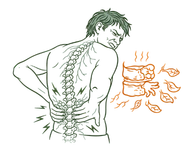
The spine is designed for fluid movement, not stagnation. However, modern life forces it into rigid positions. Understanding the risk factors of back pain is the first step toward relief, as these triggers actively aggravate the Vata Dosha and compress your nerves.

Illustration showing a person with back pain and a diagram of disc degeneration and nerve compression.
Physical Causes

An increase of the Vata Dosha (Air) inside the body raises the level of pressure internally, which is one of the factors that lead to nerve compression and drying up of the intervertebral discs. The internal dryness consequent to this event is the main reason for the occurrence of the sharp, electric, like pains that immobilize the spine and severely limit its natural movement on a permanent basis.
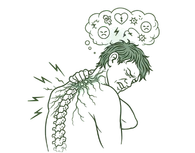
Psychological Causes of Sciatica and Cervical Pain Relief
Psychological Causes

Mental health directly impacts back health. Chronic stress and anxiety subconsciously stiffen the muscles. This mental tension is one of the most common causes of nerve pain that pinches the nerves and triggers deep, radiating pain continuously.
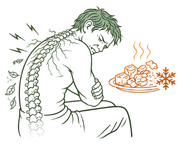
Illustration showing how poor posture and a cold, heavy diet contribute to nerve pain and spinal stiffness.
Lifestyle Causes

Habits like "Text Neck" (poor posture) and eating cold, dry foods aggravate Vata Dosha deeply. This accumulation of dryness weakens the spine structure, causing stiffness and making the nerves extremely fragile and prone to injury.
Symptoms of Sciatica & Cervical Pain: Decoding the Signals

Your back sends messages of discomfort through certain pain patterns. Identifying if the pain signal is going down your leg or up your arm is the very first step towards deciding on the correct ayurvedic treatment for nerve pain. Below is a guide to understanding your body’s alert mechanisms.

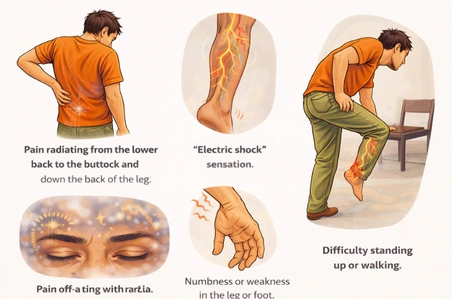
Sciatica Symptoms
Infographic showing common symptoms of sciatica including radiating leg pain electric shock sensations and numbness.
  • Radiating Pain: The main indicator is pain running from the lower back to the buttock and along the back of the leg.
  • "Electric Shock" Sensation: Those affected often say they feel a sudden, sharp, shock, like jolt going down the nerve path.
  • Numbness & Weakness: It is possible that, in addition to numbness, you may also feel actual weakness in the leg or foot such that you are not able to raise your toes.
  • Mobility Issues: Extremely hard to get up and march because the nerve is so tense.
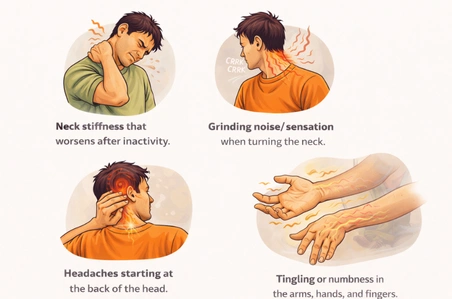
Cervical Symptoms
Infographic showing symptoms of cervical pain including neck stiffness, grinding sensations, headaches, and arm numbness.
  • Neck Stiffness: The neck is rigid and the stiffness is more severe after inactivity (for example waking up or working at a desk).
  • Radiculopathy (Arm Pain): This can be described as a tingling or numbness sensation that moves down the neck into the arms, hands, and fingers.
  • Grinding Sensation: When you move your neck, you might hear or even feel a grinding noise which is a sign of cartilage wear.
  • Cervicogenic Headaches: The headache is accompanied by pain at the back of the head which goes forward. The pain is usually mistaken for migraine.

Common Myths and Facts About Cervical Pain & Sciatica

✖ MYTH ✔ FACT
Bed rest is the best cure for back pain. No. The muscles that support the spine get weaker and stiffness gets worse if lying in bed too long (more than 2 days). Light activity is necessary to get the blood flowing and the tissues to heal.
Surgery is the only way to fix a slipped disc. No. Surgery is the last option. Research shows that 90% of disc herniations resolve on their own without surgery by using conservative treatments such as Ayurveda and Physiotherapy.
Massage is always good. It depends. Acute nerve being pinched can be made even worse with a deep tissue massage. While a gentle application of medicated oil is always a good idea, aggressive rubbing is not only prohibited but can damage the tissue.
It's just a muscle pull. Probably not. When the pain is spreading (down the arm or leg), it is hardly ever just a muscle problem. Pain that is radiating is almost always a sign of nerve involvement and that needs specialized care.

Risks of Untreated Nerve Pain : From Numbness to Paralysis

Sciatica & Cervical Pain Ayurvedic Treatment is essential because neglecting those daily tingling or “pins and needles” symptoms is a mistake that can change your life. Nerve tissue is very sensitive, and if excessively compressed for a long time, it can lead to permanent damage. Postponing treatment for pain in the cervical area or sciatica can result in long-term disability, which is why a root-cause approach is necessary.

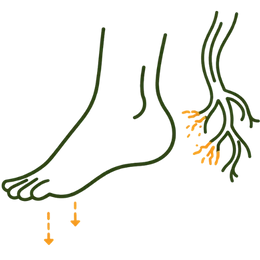
Icon illustrating nerve degeneration and loss of sensation in the foot due to untreated chronic nerve compression.
Permanent Nerve Damage

Long, term pressure on nerve cells destroys nerve fibers, leading to permanent numbness or foot drop weakness.
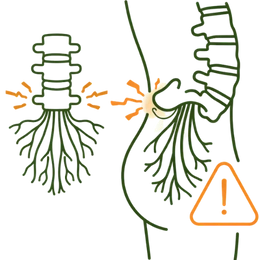
Diagram showing severe compression of the nerve roots at the base of the spinal cord indicating Cauda Equina Syndrome.
Cauda Equina Syndrome

Extreme root compression leads to loss of bladder control, thus immediate emergency spinal surgery is necessary.
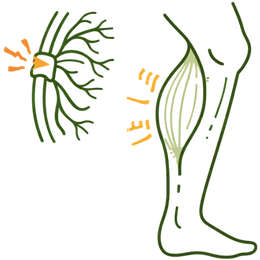
Icon showing muscle wasting in the leg due to chronic nerve compression and untreated sciatica.
Muscle Atrophy

Nerves that are physically trapped do not provide muscles with the necessary nutrients, thus causing visible muscle atrophy and wasting in the arms or legs.
A conceptual graphic showing a hand breaking free from medical dependency and moving toward natural, plant-based healing to illustrate the No Dependency Benefits of Ayurvedic Treatment for Constipation & IBS.
Dependency

Using opioids as a way of alleviating nerve pains without trying to solve the root problem in the first place, just leads to the creation of a dangerous addiction risk.
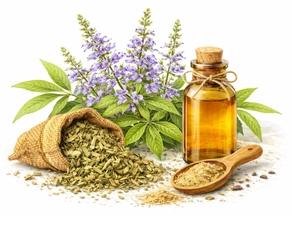
Ayurvedic Herbs for Nerve Pain: Repair, Don't Just Numb

While painkillers can only hide the pain signal, our ayurvedic herbs for nerve pain are aimed at healing the nerve tissue (Majja Dhatu) itself. We apply certain Vata, Hara herbs that go straight to the inflamed parts of the spine to bring down the swelling and make the spine flexible again.

Nirgundi (Vitex negundo): Ayurvedic Herb for Joint Pain Relief

Nirgundi (Vitex negundo)

A powerful natural analgesic. We use Nirgundi leaf boluses (Potli) for fomentation to effectively reduce swelling around the compressed nerve root.
Professional studio shot of Kanchanar Guggulu resin in its raw, purified form, representing a potent Ayurvedic medicine for PCOD and natural remedies for PCOD.

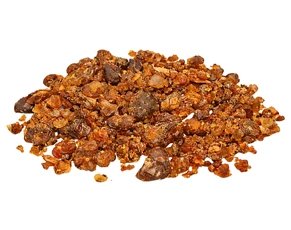
Rasna (Pluchea lanceolata)

It is declared as the "Agra Dravya" (Best Drug) for Vata disorders. Its properties include bodily warming, lowering of stiffness, and prevention of joint cartilage degeneration.
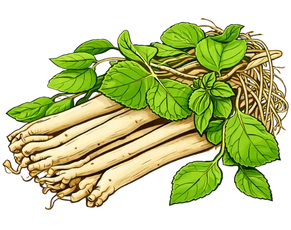
Illustration of fresh Ashwagandha roots and leaves, representing powerful Ayurvedic herbs and the best natural ED medication.

Ashwagandha (Withania somnifera)

Helps the muscles around the spine to become strong and also calms the nervous system, thus, the perception of pain is significantly lowered.

Ayurvedic Mahanarayan Tailam ingredients including Ashwagandha and medicinal herbs used for spinal nerve pain and muscle strength.

Mahanarayan Tailam

This is a traditional herbal oil mixture with more than 50 herbs in it. A slow massage allows the oil to go deep into your body tissues and hence both the stiff joints and dried, out nerves get relief and new nourishment.
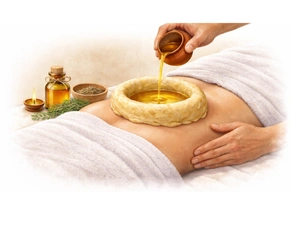
Kati Basti Ayurvedic Therapy for Sciatica and Lower Back Pain

Kati Basti (Lower Back Therapy)

A signature treatment for Sciatica. A dough ring is placed on the lower back, and warm medicated oil is poured inside and kept for 30–45 minutes to deeply nourish the lumbar discs.
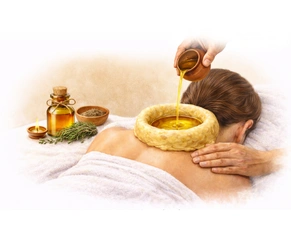
Ayurvedic Greeva Basti procedure showing warm medicated oil being poured into a dough ring on the cervical region of the neck.

Greeva Basti (Neck Therapy)

Similar to Kati Basti but performed on the back of the neck. It is the gold standard for treating Cervical Spondylosis and relieving neck rigidity.
Yoga for Cervical Pain & Sciatica: Decompress Your Spine

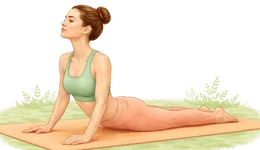
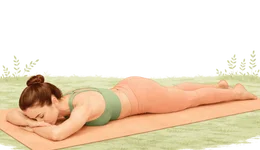
When a disc slips, it pinches the nerve. This simply means that by doing yoga for spine health, in fact, we are not just working on flexibility, but also on decompression. Indeed, these certain asanas are thus like gentle traction of the vertebral columns that they can be conceived as a breathing space for the trapped nerve and, therefore, the release of the trapped Vata.

Bhujangasana (Cobra Pose)

Professional illustration of a person practicing Bhujangasana (Cobra Pose) on a yoga mat to stretch the abdomen and stimulate reproductive organs, a vital posture in yoga for menstrual rhythm.

Works the back muscles of naturally helps push the herniated discs back into place.

Makarasana (Crocodile Pose)

Calming pose that after a short period of time, the lumbar part is so relaxed that the pain caused by the sciatica nerve is less affective now.

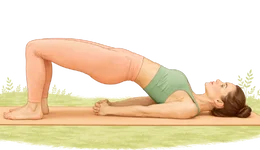
Sethu Bandhasana (Bridge Pose)

Glutes and core strengthening helps transfer the heavy load off your delicate lower back.

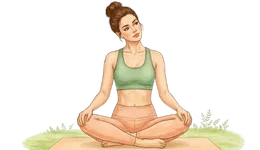
Neck Rotations (Brahma Mudra)

Slow movements to release cervical stiffness; avoid full rotation if you suffer from vertigo.

Ayurvedic Diet for Sciatica: Eat to Lubricate Your Spine

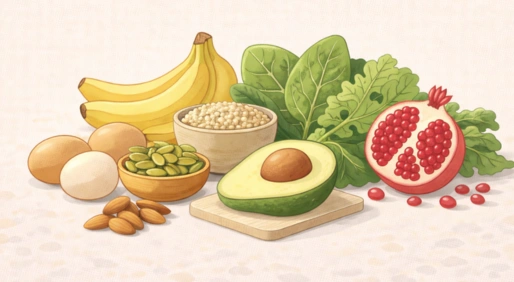
A variety of nutritious foods including bananas, spinach, pomegranate, avocado, and eggs representing the Ayurvedic diet for permanent recovery from erectile dysfunction.

The Vata-Pacifying Diet

Healthy Fats

Ghee and Almonds should be a part of your diet to help heal the dried, out discs in the spine and to nourish the nerve tissue.

Warmth

Consume warm cooked meals; avoid cold salads to prevent Vata dryness and stiffness.

Spices

Garlic and Ginger can be used to get rid of stomach gases that put pressure on the sciatic nerves which are very sensitive.

Avoid

Don't eat dry crackers and kidney beans as they cause gas and worsen the pain in the back.

Lifestyle Changes

Ergonomics

One of the ways to avoid cervical neck pain is to adjust your screens so that they are at eye level and use a lumbar support cushion.

Mattress

Sleep on a semi, firm mattress to help maintain the natural spine curve and lessen stiffness.

Don't sit for >45 mins

After every 45 minutes, get up and release the pressure from your compressed lumbar discs right away.

When to Book an Online Consultation for Sciatica Pain: Warning Signs & Red Flags

Most back pain gets better with rest, but some symptoms suggest the nerve is under a very dangerous mechanical compression. If you have any of these signs, you should seek Sciatica & Cervical Pain Ayurvedic Treatment right away. Delaying care can lead to long-term nerve damage, making a natural recovery more difficult.

  • Radiating Pain: If the pain travels down to below the knee, you should immediately consult, as this is a confirmed active sciatica nerve compression that necessitates treatment.
  • Saddle Anesthesia: If there is loss of feeling in the genital area or inner thighs, call an ambulance, as this is a very dangerous situation of saddle anesthesia.
  • Incontinence: It means the patient cannot control the act of passing urine or stool. This is a mouse of functioning and spinal canal stenosis that requires immediate ceil therapy and medical intervention.
  • Foot Drop: The sign of not being able to lift the toes while walking is nerve death and the risk of permanent paralysis of the leg.
  • Chronic Pain: If the pain lasts more than four weeks it is chronic and a structured sciatica pain treatment plan is very much needed.

Ayurveda vs. Spinal Surgery/Epidural: Which is Safer?

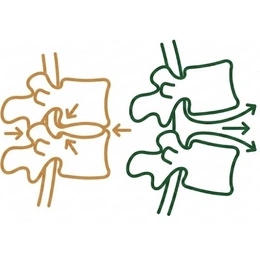
Illustration comparing a compressed spinal disc pressing on a nerve versus a decompressed healthy disc space.

Decompression

This is a kind of treatment where we use particular herbs to let the spine naturally relax, which in turn relieves the pressure on the nerve roots and the herniated disc will gradually shrink without the need for surgery.
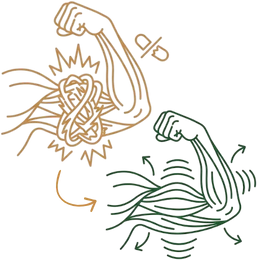
Icon showing the transition from knotted tense muscles to relaxed fluid muscle fibers through Ayurvedic treatment.

Muscle Release

Persistent pain creates a state of extreme tension in the muscles. Our methods work at a very deep level to relax those symptoms of muscular spasms, which even analgesics are unable to reach, thus restoring the lower back and nape’s ability to move freely.
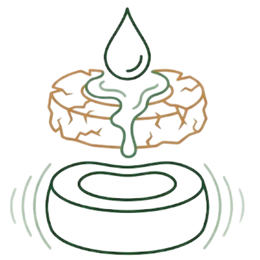
Line art illustration comparing a cracked, dry disc representing tissue distress to a smooth, hydrated disc being replenished by a drop of moisture, representing restored lubrication as one of the key benefits of Ayurvedic treatment for menopause.

Lubrication

At the core of disc degeneration is the lack of moisture. Our treatment by oil, based applications (Snehana) is aimed at rehydrating the desiccated discs, thus, the cushion between your vertebrae is restored.
Icon showing a nerve cell transitioning from a stressed inflamed state to a healthy and vibrant state through Ayurvedic healing.

Nerve Health

Our approach goes beyond simply alleviating pain; we work to repair the nerve. The herbs we use are capable of strengthening the nerve sheath, which, in turn, helps to decrease the numbness sensation and the limb’s tingling effectively.

Comparison: Ayurveda vs. Spinal Surgery / Epidural

Feature Ayurvedic Treatment (AshwaKaya) Spinal Surgery / Epidural
Approach Nourishes & Lubricates Spine Mechanical Decompression / Numbing
Invasiveness Non-Invasive Highly Invasive
Risk Safe Risk of nerve damage, infection
Recovery Immediate mobility Weeks/Months of rehab
Sustainability Strengthens entire spine Adjacent discs may degenerate later
Cost Affordable Very Expensive

Support Your Backbone: Stand Tall Without Pain

Your spine is literally the support of your whole life. When it is aching, your whole world comes to a standstill. You need not be torn between suffering a painful life and having a dangerous operation. At AshwaKaya, our Sciatica & Cervical Pain Ayurvedic Treatment provides a middle way—a way of healing, lubricating, and strengthening. In this way, we treat the primary Vata disorder, enabling you to hold your head high and be mobile without any difficulties once again.

Book an Appointment

Fill out this simple form and we’ll call you right back.

Why Choose AshwaKaya for Sciatica & Cervical Pain Ayurvedic Treatment?

Two professional Ayurvedic doctors standing with cross-armed confidence, surrounded by symbols of holistic health and natural herbs, representing Why Choose AshwaKaya.
  • Specialized Therapies: Authentic Kati Basti and Greeva Basti offer superior relief compared to standard physiotherapy alone.
  • Nerve Regeneration: Our protocols heal the nerve sheath directly to stop numbness, not just mask nerve pain.
  • Postural Correction: We guide you on ergonomics to prevent recurrence.
  • Holistic Approach: We treat stress and digestion issues that aggravate sciatica pain, ensuring holistic, long-term relief.

Frequently Asked Questions About Sciatica & Cervical Pain Ayurvedic Treatment

Ayurveda is a treatment system that works very well for managing slip discs (herniation). It mainly helps by decreasing the inflammation and relaxing the muscles which are pulling the spine. By strengthening the tissues around, it basically will allow the disc either to go back to its original state or be asymptomatic in 90 % cases, and thus surgery is usually avoided.

The immediate soothing effect of the penetrating warmth combined with the medicated oil causes many patients to experience relief after just a single session. Nevertheless, it is generally advised to undergo a complete treatment of 7 to 14 days in order to gain a long, lasting effect, as well as total healing of the tissues.

Yes, gentle walking is great, it helps by increasing blood flow as well as preventing the muscles from getting stiff. But make sure to halt activity right away if the pain worsens. Save uphill walking or running for after the nerve has recovered completely.

Applying heat is very good for Vata conditions such as Sciatica. It loosens the muscles that are too tight and brings more blood to the area. For best results use a hot water bottle or a heating pad for 15, 20 minutes twice a day.

Winter is considered the Vata season (cold and dry). The cold outside causes more internal stiffness and narrows blood vessels, which makes the nerve pain worse. It is important to keep warm and use medicated oil during the cold season.