
Book an Appointment

Fill out this simple form and we’ll call you right back.

Ayurvedic Treatment for Dandruff & Scalp Infection: Restore Scalp Purity

Constant itching and falling flakes are not just “dry skin”-they signal deep fungal overgrowth and internal toxicity. Our specialized ayurvedic treatment for dandruff goes beyond anti-dandruff shampoos to detoxify the blood, balance scalp pH, and eliminate the fungal root cause permanently.

100% Confidential

Discreet Packaging

Safe Herbal Cure

Non-Habit Forming

Online Ayurvedic Consultation for Severe Dandruff

This information is for general awareness only; consult our expert doctors online to know the exact causes of dandruff and get personalized Ayurvedic treatment according to your scalp condition.

What is Dandruff?

Dandruff is frequently confused with simple dry scalp, whereas it is a long, term skin condition that results in scalp flaking. Dandruff is technically an unusually fast shedding of dead skin cells due to various biological factors. Often, the use of a special scalp treatment for dandruff is required.

  • The Culprit (Malassezia Globosa): This is a yeast, like fungus that can be found living naturally on the scalp of everyone. It derives its nutrients from the scalp oils (sebum), and this is one of the main biological reasons for the occurrence of dandruff.
  • The Reaction (Inflammation): When people with sensitive skin are exposed to the products of this fungus, their body reacts in a very strong way. This leads to irritation and the appearance of dandruff symptoms such as itching, which makes the skin cells produce more, get loose and shed in flakes visible to the naked eye.

Ayurvedic Perspective: Darunaka & The Dosha Connection:

In Ayurveda, dandruff is termed “Darunaka.” While modern medicine sees it as a fungus, we view it as a systemic disorder of Kapha and Vata Doshas. Though classified as a Kshudra Roga (Minor Disease), ignoring it can lead to severe hair loss if the root imbalance is not corrected with a proper dandruff ayurvedic treatment.

The Dosha Triggers:

  • Kapha Aggravation (The Oil): Excessive Kapha causes an overproduction of scalp oil (sebum) and intense itching (Kandu). This sticky oil traps dead skin cells, creating the perfect breeding ground for fungal infections or “Krimi”.
  • Vata Aggravation (The Flakes): When there is too much Vata, the scalp becomes dry and hence it cracks, the skin flakes, and the skin becomes white (Twak Sphutana). This explains why dry, powdery dandruff is typical in winter.
  • Rakta Dushti (Blood Impurity): Excessive cases like Seborrheic Dermatitis it is said that the blood is impurity (Rakta Dushti). This manifests as redness, inflammation, and heat (Pitta involvement) that is why a deep detoxification of the blood is necessary.

Causes of Dandruff: Physical, Psychological & Lifestyle Triggers

So, why does the fungus suddenly go wild? It is not just about how often you shampoo. An internal imbalance upsets your scalp’s natural defense and initiates the primary causes of dandruff which ultimately call for targeted ayurvedic treatment for dandruff.

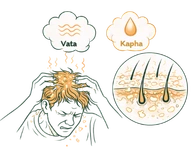
Illustration showing Vata and Kapha dosha imbalance as physical causes of dandruff and scalp scaling.
Physical Causes (Dosha Imbalance)

Vata and Kapha in excess were disturbing the scalp moisture balance of the skin. This dry condition made the skin cells die faster turning into flakes which were the white pieces of dust you see on your clothes when you suffer from very advanced dandruff.
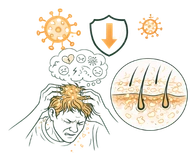
Illustration showing how mental stress and low immunity lead to chronic dandruff and scalp irritation.
Psychological Causes (Stress)

Constant stress is one of the reasons why our body from the inside becomes incapable to resist the disease. Such hormonal disorder is a leading risk factor for dandruff further development resulting in an unfettered fungal proliferation and intense scalp inflammation on a daily basis.
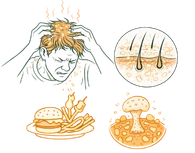
Illustration showing how poor diet and fungal infections contribute to dandruff and scalp issues.
Lifestyle Causes (Diet & Hygiene)

Consuming fast foods and neglect of some simple hygienic measures by oneself make the skin's local immunity lower. The sticky and syrupy nature of such toxins (Ama) serves as the nutritional substance for the overgrowth of fungi on the scalp, thus resulting in the formation of hard crusts and deep irritation.
Symptoms of Dandruff: Itching, Redness & Hair Fall

Dandruff may only be a sign of a stressed scalp that becomes visible. Identifying all symptoms of a dandruff scalp is crucial for the prevention of the scalp damage because inflammation that is not controlled, eventually results in hair loss.

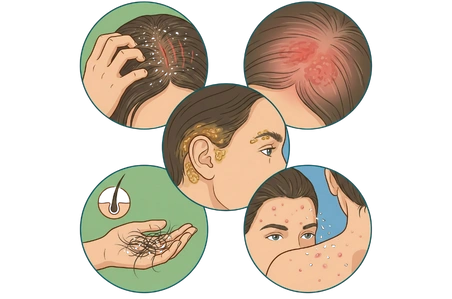
Infographic showing dandruff symptoms like white flakes, scalp redness, crusty patches around ears, and hair fall.
  • Pruritus (Severe Itching): It is sometimes so intense that sufferers give in to scratching which results in open wounds on the scalp and secondary infection by bacteria.
  • Redness (Erythema): Inflamed, red skin areas signal that the fungal infection is still active and that it is damaging the scalp barrier which is very sensitive.
  • Hair Fall: Long, term (chronic) inflammation directly damages the hair root making it weaker and more hair falls out but this is a typical yet overlooked sign of dandruff
  • Forehead Acne: Pomade Acne is a term for pimples that can be seen on the forehead and the back. They are caused by flakes from the scalp and oily stains coming in contact with the skin.
  • Yellow Crusting: Besides the ears or on the eyebrows, the manifestation of thick, yellowish crusts is the typical presentation of Seborrheic Dermatitis.

Common Myths and Facts About Dandruff Treatment

✖ MYTH ✔ FACT
Dandruff is caused by dry scalp. Dandruff is most common on oily scalps, where the fungus feeding on the sebum causes the formation of dandruff; putting too much oil on your scalp will only make the infection worse.
Dandruff is contagious. You can't catch it. Dandruff is a mix of your body's unique inflammatory response to the natural scalp fungus.
Shaving the head cures dandruff. Shaving is just a quick remedy and hence only offers a short-term relief. When the internal root cause still exists, the flakes will reappear.
Oil is the cure for dandruff. If you oil regularly, you are actually nurturing the fungus. Only medicinal oils like Neem can efficaciously treat the fungal infection.

Risks & Complications of Untreated Dandruff

Dandruff is usually regarded as a small nuisance, but if you don’t treat it, you are opening the door to serious complications. When you ignore the chronic inflammation and risk factors of dandruff, the infection may spread beyond your scalp and result in painfully visible health issues.

Illustration of joint inflammation and bone health risks like psoriatic arthritis.
Hair Loss (Khalitya)

Continued scratching leads to hair root damage, and persistent inflammation causes hair loss that may be permanent.
Risk of bacterial secondary infections and skin barrier damage due to untreated eczema and psoriasis.
Infection

Scratching exposes your skin and facilitates bacterial entry which results in painful scalp infections and boils.
Natural Glow Ayurvedic Skin-Care
Face Acne

The flakes that fall on the face block the pores, hence dandruff is one of the major reasons for acne on the forehead.
Line art illustration of a person with a lightning bolt in a stress cloud representing risks & complications of erectile dysfunction, like mental health decline.
Blepharitis

Infections that spread to the eyelashes result in the eyelids becoming red and swollen and also eye inflammation.
Potent Ayurvedic Herbs for Dandruff & Scalp Infections

It is not only flakes that we eliminate; we also purify the whole scalp ecosystem. Our herbal remedy for dandruff is made up of potent “Krimighna” (anti, microbial) herbs that not only kill the Malassezia fungus but also bring back the natural pH balance of the scalp.

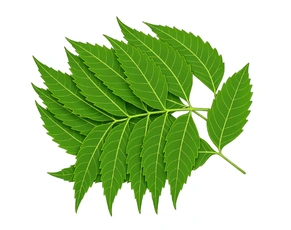
A botanical illustration of vibrant green Neem leaves (Azadirachta indica), representing one of the most powerful and cooling Ayurvedic Herbs for Acne.

Neem (Azadirachta indica)

Most potent antifungal agent that nature has to offer. Neem works by breaking down the cell wall of the Malassezia fungus hence giving instant relief from itching. This is why it is the pillar of our dandruff treatment.
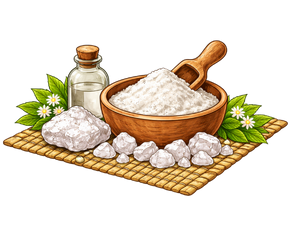
Tankana Bhasma (Borax)

An expert mineral treatment for very dry, flaky skin. It gently removes dry, stubborn scales and makes the scalp an unfriendly place for fungus.
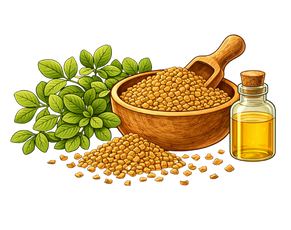
A high-quality botanical illustration of Methi (Fenugreek) featuring green leaves and a wooden bowl filled with golden-brown seeds, highlighting a vital ingredient in Ayurvedic Herb Medicines For Diabetes.

Methi (Fenugreek)

It is packed with proteins and nicotinic acid. Methi seeds kill the fungus and at the same time, they are a deep hair conditioner, thus, helping the hair to stay moisturized which is the main side effect of using chemical anti, dandruff shampoos.
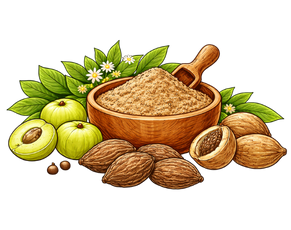
Triphala

Hair is medicinally washed (Kshalana) with it. Due to the astringent and antibacterial activities of it, the pH of the scalp is restored to a level that allows the treatment of even the deepest infections.
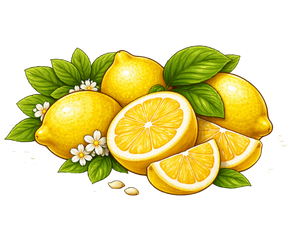
Lemon (Nimbuka)

It's acidic nature, lemon helps in lowering the pH of the scalp naturally which results in the scalp becoming an unfriendly place for fungal growth (Should be used only in certain dilutions).
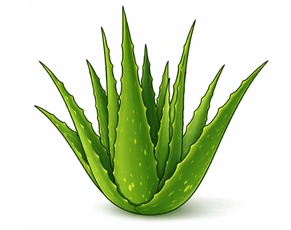
Detailed illustration of a fresh Kumari (Aloe Vera) plant with thick succulent leaves, representing one of the most effective natural remedies for irregular menstruation.

Aloe Vera (Kumari)

Indispensable for Pitta cooling. It calms the inflammation and redness caused by frequent scratching and at the same time moisturizes the scalp without making it oily.
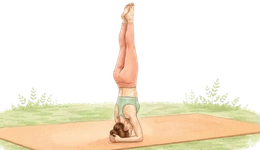
Yoga for Dandruff & Scalp Infection

Stress is a key factor that causes inflammation of the scalp. Higher cortisol levels will make your scalp secrete more oil, which in turn will feed the fungus that causes dandruff. Through the practice of certain yoga asanas for dandruff, one can relax the mind and also the oil production will be balanced naturally.

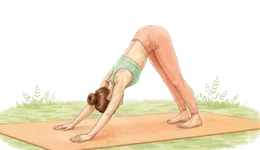
Adho Mukha Svanasana (Downward Dog)

Woman practicing Adho Mukha Svanasana or Downward Facing Dog pose to improve blood flow to the scalp and reduce hair loss.
Increases blood circulation to the head, bringing fresh oxygen to the scalp cells.

Uttanasana (Standing Forward Bend)

It calms the nervous system and gets rid of the deep anxiety that is often the reason for sudden dandruff flare, ups.

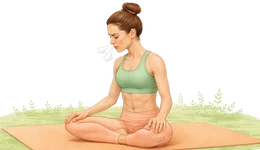
Kapalbhati Pranayama

Professional illustration of a person practicing Kapalbhati Pranayama (Skull Shining Breath) in a seated meditative posture, a vital breathing technique in yoga for PCOD & metabolism.
This breathing method facilitates body detoxification and opens the sinuses, which in turn, directly lessens the scalp’s oiliness.

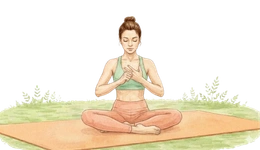
Balayam (Rubbing Nails)

Illustration of a woman practicing Balayam Yoga by rubbing nails to stimulate hair regrowth and prevent hair fall.
Stimulating nerve endings connected to the scalp by rubbing fingernails together, increases blood flow in the area.

Ayurvedic Diet for Dandruff & Anti-Fungal Lifestyle

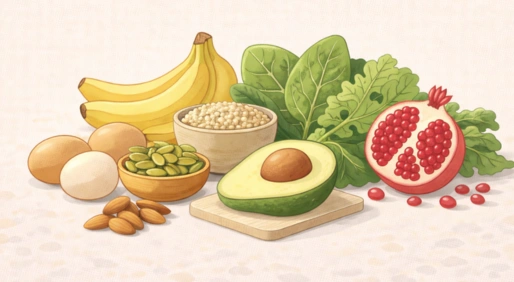
A variety of nutritious foods including bananas, spinach, pomegranate, avocado, and eggs representing the Ayurvedic diet for permanent recovery from erectile dysfunction.

The Anti-Fungal Diet

Reduce Sugar

You need to eliminate refined carbohydrates in order to starve the dandruff, causing fungus.

Avoid

Dairy products lead to an increase in mucus (Kapha), which results in a damp environment where scalp infections are able to thrive

Eat

Eat garlic, onion, and buttermilk (probiotics) as antifungal agents to combat fungal overgrowth from within.

Hydrate

Drinking water is excellent for skin and prevents the dry, flaky skin which is the hallmark of Vata dandruff

Lifestyle Changes

Don't Share

Use personal combs and towels as a really effective step to prevent spreading the contagious scalp fungus.

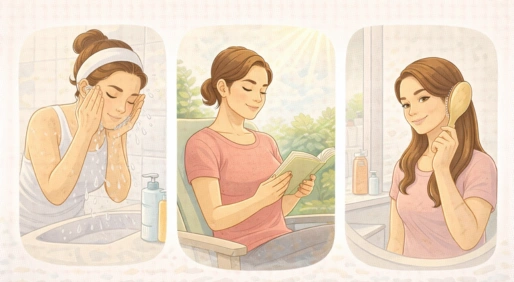
Wash Regularly

For getting rid of the oil which causes dandruff, three times weekly washing of the hair is required.

Clean Combs

Brushes should be cleaned weekly with hot water to ensure the death of any fungus spores left there.

Sunlight

Exposing your scalp to morning sun for 15 minutes will naturally keep it clean and free of fungal growth.

Want to Consult a Doctor? Warning Signs of Severe Infection

Occasional flakes are common, but persistent symptoms signal a deeper autoimmune or fungal issue. You should seek the Best Doctor for Scalp Infection Online immediately if you notice any of the following warning signs.

  • Seborrheic Dermatitis: Dandruff that is thick, yellow, and crusty is a sign of a chronic inflammation of the scalp diagnosed as Seborrheic Dermatitis.
  • Active Infection: A scalp that is bleeding or oozing pus is a sign of a severe bacterial super, infection as a result of constant scratching.
  • Hair Loss: If besides flakes, you have bald patches as well, it means the fungal infection is damaging the hair roots and hence, the risk of permanent baldness.
  • Psoriasis Warning: If the scales have manifested on the other parts of the body (such as the elbows or the knees), it is probably Psoriasis, which is a systemic autoimmune disorder, and not just simple dandruff.

Key Benefits of Ayurvedic Treatment for Dandruff

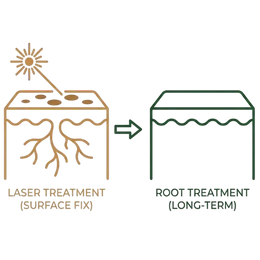
Infographic comparing laser treatment surface fix with Ayurvedic long term root treatment for hair regrowth.

Stops Itching

Targets deep inflammation for immediate relief, unlike surface fixes, soothing scalp itch permanently.
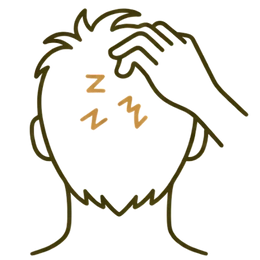
Icon showing a person finding relief from scalp itching and inflammation through Ayurvedic hair treatment.

Reduces Hair Fall

Clears fungal buildup to let roots breathe, significantly reducing dandruff-related hair loss.
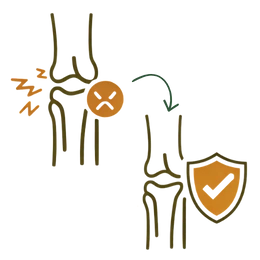
An icon-style illustration showing an inflamed knee joint transitioning to a healthy, protected state with a shield symbol, representing the Joint Protection Benefits of Ayurvedic Treatment for Weight Loss.

Prevents Acne

Stops flakes from clogging facial pores, treating stubborn forehead acne at its source.
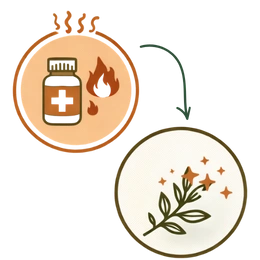
Comparison showing how Ayurvedic treatment avoids the rebound effect common with chemical steroids.

Natural Shine

Herbs like Methi condition while treating infection, ensuring natural shine without chemical dryness.

Ayurveda vs. Chemical Shampoos: Which is Safer?

Feature Ayurvedic Treatment (AshwaKaya) Chemical Shampoos (ZPTO/Ketoconazole)
Approach Balances pH & Detoxifies Kills fungus chemically
Scalp Health Soothes & Nourishes Often strips & dries the scalp
Recurrence Low (Treats root cause) High (Flakes return when stopped)
Hair Quality Improves texture Can make hair rough/brittle
Ingredients Neem, Methi, Lemon Sulphates, Coal Tar, Zinc

Clear Scalp, Clear Mind: Break the Cycle of Recurrence

The truly healthy scalp is the one you can barely see, it doesn’t bother you with itching, flaking, or pain. However, your mind gets tired when you always look at your shoulders to see if they have flakes. At AshwaKaya, we will lead you out of the tiring round of “shampoo, flake, repeat.”

We cure the fungal cause of the problem and restore your scalp’s natural immune system. Our scalp treatment for dandruff will give you a long, lasting relief instead of just a quick fix.

Book an Appointment

Fill out this simple form and we’ll call you right back.

Why Choose AshwaKaya for Scalp Treatment for Dandruff?

Two professional Ayurvedic doctors standing with cross-armed confidence, surrounded by symbols of holistic health and natural herbs, representing Why Choose AshwaKaya.
  • pH Balanced: Our treatments are strictly formulated to restore the natural acid mantle of the scalp, creating an environment where fungus cannot survive.
  • Fungal Defense: We go beyond simple moisturizers. We use potent, clinically proven herbs like Neem and Tankana to actively destroy the fungal cell walls.
  • No Harsh Sulphates: Our cleansers are 100% free from SLS (Sodium Lauryl Sulphate), which strips natural oils and irritates the sensitive scalp further.
  • Holistic Care: We treat the patient, not just the head. We analyze your diet and stress levels to correct the internal triggers and prevent the recurrence of dandruff permanently.

Frequently Asked Questions About Ayurvedic Dandruff Treatment

Be Careful, Plain coconut oil left on the hair overnight provides nourishment to the fungus, thereby worsening the infection. We advise combining Medicated Oils (such as Neem or Triphala) obtained through a legitimate ayurvedic treatment for dandruff. Using them only 1, 2 hours before washing, without leaving them on for days, is preferable.

Sour curd (fermented) applied externally is great as its lactic acid helps to cleanse the scalp. However, one should be careful not to overeat curd as this may lead to an aggravation of Kapha Dosha resulting in more mucus and oiliness on the skin, thus the condition may worsen.

Don’t use your nails to scratch them off because this may cause wounds and infection. First, put a paste of Fenugreek (Methi) or a medicated oil on the scales to make them soft. Then, carefully wash them away. This is the safest natural method of getting rid of dandruff crusts.

Indeed, hot water is one of the factors contributing to dandruff. If used, it will strip your scalp of the natural oils, thus the protective layer of the skin disappears. As a result, the scalp gets irritated and starts producing sebum in large amounts to restore the missing oil layer. This in turn is the perfect damp and oily spot where the fungus can grow. Always take care and use only tepid water when washing your hair.

Yes, it is one of the causes as well. Persistent stress is harmful as it leads to a weakened immune system of the body resulting in the unrestrained growth of the Malassezia fungus that normally lives on the skin without causing any problems. Therefore, controlling ones stress level is frequently a very important step in scalp treatment of dandruff.