

Ayurvedic Treatment for Pigmentation & Melasma: Restore Even Skin Tone Naturally
Pigmentation and melasma are not just surface spots – they are signs of internal heat and hormonal imbalance. While chemical creams may bleach the skin temporarily, our Ayurvedic treatment for pigmentation treats the root cause by cooling the body, purifying the blood, and restoring natural skin clarity from within.
100% Confidential
Discreet Packaging
Safe Herbal Cure
Non-Habit Forming
Book Your Ayurvedic Consultation
This information is for general awareness only; consult our expert doctors online to know the exact causes of melasma and pigmentation and get personalized Ayurvedic treatment according to your skin.
What is Pigmentation & Melasma? Understanding the Dark Spots
Hyperpigmentation is basically a term that covers skin patches which have become darker compared to the surrounding area. The reason being, these patches overly produce Melaninthe pigment that gives your skin its color. Only in certain cases, a few spots are short, lived while pigmentation treatment for the deep areas often has to focus on the inside triggers.
Melasma (The “Mask” of Hormones):
This is unlike your usual dark spots that Melasma is more special and unyielding.
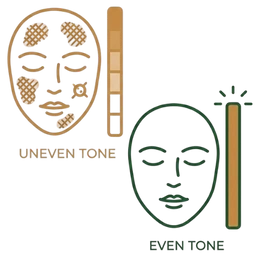
- How it looks: It shows as mirror, image, brown, or grayish, brown spots that look like a puzzle map on the face.
- Where: Most times, it is the “mask” area of the facecheeks, bridge of the nose, forehead, chin, and upper lip that gets covered by Melasma.
- Triggers: Being called the “Mask of Pregnancy”, it is very sensitive to hormonal changes (Estrogen and Progesterone) as well as sun exposure, thus, it is a major problem of ladies.
Other Common Types of Pigmentation:
- Post-Inflammatory Hyperpigmentation (PIH): They are the dark spots caused by inflammation such as acne, insect bites, or skin trauma. Simply put, these are the skin’s way of saying that it has been hurt.
- Sun Spots (Solar Lentigines): Known also as “Age Spots”. They are a result of long, term UV exposure, where the sun has permanently damaged the pigment cells.
The Ayurvedic Perspective: Vyanga & Bhrajaka Pitta
In Ayurveda, facial pigmentation is medically called “Vyanga”. While traditional medicine sees it merely as a cosmetic concern, Ayurveda considers it a disorder of Bhrajaka Pitta, the skin sub, dosha that is in charge of color, glow, and the process of absorbing sunlight.
The Pathology: The Formation of Dark Spots Ayurvedic treatment for pigmentation is most efficient when it considers the elements that got internally vitiated, according to the Ayurveda scriptures:
- The Cause (Vata & Pitta Aggravation): Events such as intense anger, grief, too much sun exposure, or consumption of spicy foods cause an aggravation of Pitta (Heat) and Vata (Dryness). These energies mix together and hence “dry up” the necessary fluids in the cells of the skin.
- The Process (Rakta Dhatu): This emitted heat from the overburdened body just keeps moving further through the blood stream and eventually reaches the Rakta Dhatu (Blood Tissue) that is ‘corrupted’ by the heat. Bhrajaka Pitta is specifically affected and thus a pigment patch is formed.
- The Result (Shyava Varna): The skin loses its natural glow (Prabha) and develops thin, painless, dark patches known as Shyava Varna. Therefore, our melasma ayurvedic treatment focuses on “Pitta-Shamana” (Cooling) and “Manas-Chikitsa” (Stress Management) to restore your natural complexion.
Root Causes of Pigmentation (Hetu): Why Does Skin Darken?
Ayurvedic Treatment for Pigmentation & Melasma explains why the skin suddenly decides to produce too much pigment. While UV rays are a trigger, the root causes of pigmentation often lie deep within the body’s metabolic fire. Ayurveda identifies three main internal factors that lead to this skin discoloration.

Physical Causes
Starting point of the issue is Aggravated Bhrajaka Pitta. When there is a high level of heat inside, it "cooks" the layers of the skin from the inside. This thermal imbalance changes the Rakta Dhatu (blood), leading to blemishes such as dark, deep set spots and a dull skin tone that doesn't get lighter.

Psychological Causes
Your skin reflects your emotional health. Chronic stress and grief significantly disturb liver function (the seat of Pitta). This emotional strain is considered one of the primary causes of melasma, effectively darkening the natural complexion from the inside out.

Lifestyle Causes
You are what you eat. Consuming spicy, heating foods while having excessive sun exposure creates a double attack on your skin. This "heat accumulation" literally burns the skin's luster (Prabha) and forces an increase in melanin production as a defense mechanism.

Symptoms of Pigmentation & Melasma: Signs to Watch For
Pigmentation generally does not bring physical pain, but it is quite a visual feature. Identifying symptoms of pigmentation correctly and timely helps in containing the spreading of the patches.
- Discolored Patches: These are flat, dark, and irregularly shaped patches which may stand out against the surrounding skin.
- Symmetry (Melasma): The patches on the skin mirror each other on both cheeks which is a classic indication of melasma.
- Darkening in Summer: The dark spots after exposure to the sun become very noticeable and visible.
- Uneven Texture: The skin on the areas most affected may be dry, rough, or bumpy even if it looks normal.
- Emotional Distress: One's embarrassment may be so strongly experienced that heavy makeup is used all the time for spot, covering purposes.
Myths vs. Facts About Pigmentation & Melasma
Misinformation often leads to skin damage. From “lemon juice hacks” to skipping sunscreen, let’s clear the air regarding the most common myths about hyperpigmentation and scientific facts.
| ✖ MYTH | ✔ FACT |
|---|---|
| ✖ Lemon juice fades dark spots safely. | ✔ Lemon is highly acidic. Direct application may chemically burn the skin and make pigmentation worse, especially if it is followed by sun exposure (this phenomenon is called phytophotodermatitis). |
| ✖ Scrubbing hard removes dark spots. | ✔ Pigmentation is located deep in the epidermis or dermis. Harsh scrubbing only irritates the skin and can make the dark spots more visible by causing micro-tears. |
| ✖ Sunscreen is only for sunny days. | ✔ UV rays penetrate through clouds and glass windows. To effectively treat melasma daily sunscreen is a must even if you are not going outside. |
| ✖ It fades away right after pregnancy. | ✔ Although Melasma is connected to hormones it can remain even for years after pregnancy without treatment because of the "dermal memory". |
Risks & Complications if Pigmentation is Ignored
There are many people who think dark spots are not a problem. Nonetheless, if you do not get an effective Ayurvedic Treatment for Pigmentation & Melasma in time, the superficial spots will become deeper parts of the skin layers. When you ignore these indications, you are most likely to get permanent damage which will be very difficult to reverse.

Permanent Discoloration
Discoloration is when pigment goes deep into the dermis (which is the second layer of the skin). It leads to the formation of "Dermal Melasma." These spots will change into a stubborn grey, blue color, and they will be very hard to treat with the usual remedies.

Psychological Impact
Your mind and skin are one. Only people's feelings that are affected when they have skin problems, but they also develop social anxiety and a loss of self, esteem. Consequently, they either isolate themselves or become so dependent on makeup that they cannot go without it.

Premature Aging
UV rays that cause your dark spots are also damaging the collagen in your skin which, in turn, causes wrinkles, fine lines, and leathery skin texture at an early age.
Powerful Ayurvedic Herbs: The Best Pigmentation Medication
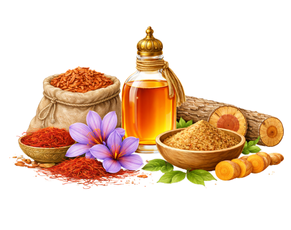
Our skincare regimen is reliant on the usage of “Varnya” plants (complexion enhancers) that dermally help to illuminate the skin without depriving it. Such potent ayurvedic herbs for hyperpigmentation mend the blood which in turn helps to recover your natural radiance.

Kumkumadi Tailam
Unthinkable oil is a mash, up of Saffron (Kesar), Sandalwood, and 20+ very rare herbs. As one of the direct treatments for pacifying Bhrajaka Pitta, it also helps to enhance skin color, and with the gradual fading of dark circles and stubborn spots, it can be seen as a long, term fix.
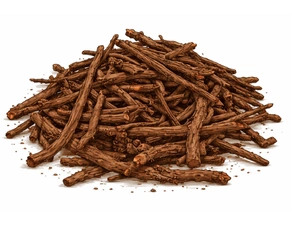
Manjistha (Rubia cordifolia)
The number one blood purifier. With the detoxification of the Rakta Dhatu, Manjistha contributes to diminishing the manifestation of skin pigmentation arising from internal inflammation. Besides, it aids in enhancing skin blood flow and radiance.
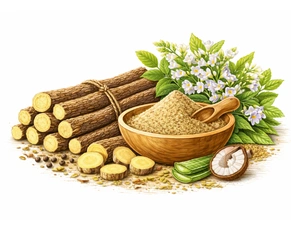
Yashtimadhu (Licorice)
A chemical substance from nature, that prevents tyrosinase (the enzyme which makes melanin) from getting activated. In addition to its capacity to lighten the dark spots on the skin, it is also able to act as an anti, inflammatory, thus allowing it to be used as an effective natural skin brightening agent.
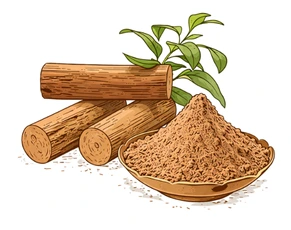
Chandan (Sandalwood)
Being of the cooling nature, it satisfies greatly the overheated Bhrajaka Pitta. Using a sandalwood paste is a time, honored herbal medicine that works in reducing the accumulation of the deep internal heat which is the main cause of Melasma patches.
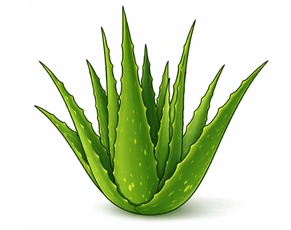
Aloe Vera (Kumari)
Moisturizes the skin from the inside. It is a known fact that dry skin appears darker, while well, moisturized skin is more light, reflective. Additionally, Aloe vera facilitates quick cell renewal, which is beneficial for the healing process of the surface layer of skin.
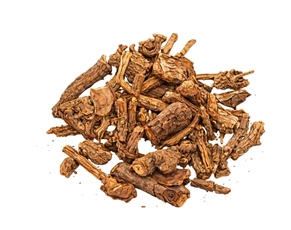
Sariva (Hemidesmus indicus)
A cool blood tonic that is very effective in treating pigmentation caused by the heat and autoimmune conditions, thus making the skin cool and calm from inside.

Yoga for Pigmentation on Face: Glow from Within
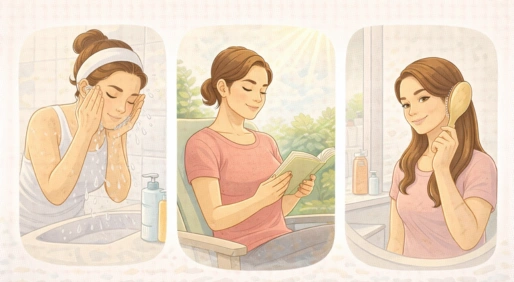
Maybe you’ve observed that your skin looks dull and darker when you are under more stress. It’s not a random thing—stress hormones really do cause pigment production. That’s why our Ayurvedic Treatment for Pigmentation & Melasma doesn’t only involve creams. We also recommend certain yoga exercises that reduce stress and increase the flow of oxygen-rich blood to your face, thus helping to fade the spots from within
Surya Namaskar (Sun Salutations)
Sarvangasana (Shoulder Stand)
Sheetali Pranayama (Cooling Breath)
Most importantly in Melasma treatment; cools the internal heat to prevent the triggering of pigment due to a Pitta flare, up.
Varun Mudra (Gesture of Water)
Ayurvedic Diet (Ahar) & Lifestyle (Vihar) for Permanent Recovery
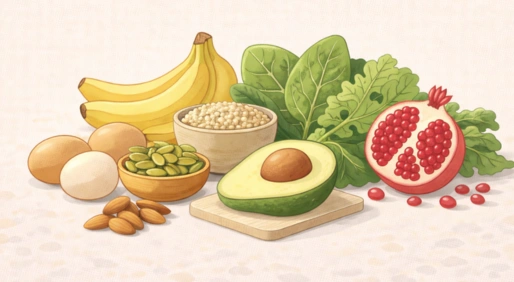
Consider your skin as a reflection of your digestive system. If you regularly consume “heating” foods, your blood is practically boiling and that heat comes out as dark patches on your face. So, the first step in the permanent treatment of pigmentation is to stop feeding the fire. In our Ayurvedic diet for pigmentation, we have taken the body cooling and liver protecting aspect entirely.
The "Glow" Diet
Eat Cooling Foods
Consume melons, cucumbers, and coconut water to cool internal heat and pacify Pitta.
Avoid Pitta Triggers
Completely stay away from chillies, alcohol, and pickles that are blood, heating and thus, worsen pigmentation.
Pomegranate
Eat pomegranates rich in antioxidants to protect skin from internal UV damage.
Hydration
Keep yourself well hydrated by drinking enough water which is very effective in removing the toxins that not only make your skin dull but will also give you dark spots.
Lifestyle Changes
Sun Protection
Besides wearing broad, brimmed hats, you should also use daily mineral zinc oxide sunscreen as a melasma protection.
Heat Management
Ensure that the kitchen is well ventilated or use a cool neck towel in order to prevent overheating.
Sleep
Try to go to bed by 10 PM so as to facilitate natural liver detox and blood purification.
When to Consult an Ayurvedic Doctor for Pigmentation?
Most dark spots are simply nature’s whim; however, sometimes your skin is signalling you that something more serious is wrong inside your body. You must not disregard the warning signs. You should get professional Ayurvedic treatment for pigmentation without delay if any of the following changes appear to you.
- Changes in the shape, color, or bleeding of spots, which could indicate potential Melanoma risks, should prompt an immediate consultation
- A sudden pigmentation combined with symptoms like fatigue or weight changes can signal internal Thyroid or Adrenal issues.
- Rapid patch spreading is a symptom of a serious internal imbalance which requires immediate medical help.
- The blue, black discoloration of the skin due to hydroquinone use is a sign of Ochronosis and it is a condition which needs specialized treatment to be reversed.
Key Benefits of Ayurvedic Pigmentation Treatment
Our skin pigmentation treatment is not like the harsh chemical peels that strip the skin. It works from the inside out. We concentrate on cooling the blood so that melanin production is stopped right at the source, thus we can guarantee safe and lasting results.
Even Skin Tone
Improved Texture
.skin is deeply hydrated, making it softer, smoother, and repairs the rough texture
Internal Cooling
Long-Term Results
By going to the root of the problem you can avoid recurrence even better than laser treatments.
Ayurveda vs. Chemical Peels & Lasers: Which is Safer?
| Feature | Ayurvedic Treatment (AshwaKaya) | Chemical Peels / Laser |
|---|---|---|
| Method | Internal balance & Gentle oils | Removes top layer of skin |
| Sensation | Soothing, aromatic | Can sting, burn, or peel |
| Downtime | None | Redness/peeling for days |
| Risk | Safe for all skin tones | Risk of burns on darker skin (Indian skin) |
| Sustainability | Strengthens skin barrier | thins skin over time |
Reveal Your True Glow: No Filters Needed
You shouldn’t have to hide behind heavy concealer forever. Real confidence comes from having an even, radiant complexion naturally. Restore your skin’s clarity by treating the root cause with our holistic melasma treatment.
Book an Appointment
Why Choose AshwaKaya for Pigmentation Treatment?
We don’t just bleach spots; we cure the imbalance causing them. Our Ayurvedic solutions for skin pigmentation offer a complete medical protocol designed for stubborn, hormonal darkening.
- Internal Focus: We treat the blood and liver, reaching internal toxins creams miss.
- Spot Correction: Kumkumadi Tailam is a part of the therapy which helps to get rid of those stubborn dark spots naturally.
- Dietary Guidance: A diet tailored to Pitta that helps to cool the body and prevent the formation of rash.
- Chemical, Free: Free of hydroquinone or steroids that cause Ochronosis or thinning of the skin.
Frequently Asked Questions About Pigmentation & Melasma
Melasma is a long, term hormonal, related disorder. A “complete cure” is quite difficult to achieve, however, an Ayurvedic treatment for melasma can considerably lighten the patches and keep them in a dormant state. Key to preventing the return of the condition is maintenance through sun protection and diet.
Applying natural oils requires a lot of patience. After applying it every night, you may notice the skin’s texture getting better in 3, 4 weeks, while the disappearance of the pigmentation from the deeper layers of the skin may take up to 3, 6 months.
Yes, Vitamin C is a powerful antioxidant, goes well with Ayurvedic treatments for facial pigmentation. You should simply make sure that you do not apply too many potent actives simultaneously so as not to get irritated.
Main thing is to be consistent with the first person approach. The answer needs to be more thorough. Hydration serves as an aid in the elimination of internal toxins which cause discoloration of the skin.
Yes, but only apply Wild Turmeric (Kasturi Manjal) on the face. It has the most potent anti, inflammatory effects without the yellow color that is associated with the regular cooking turmeric.